Wolf sightings increase in Finnish villages following data center construction
The removal of forest habitat for new AI infrastructure has displaced local wildlife, leading to increased animal activity in nearby residential areas.
By Ishani Kapalli ·
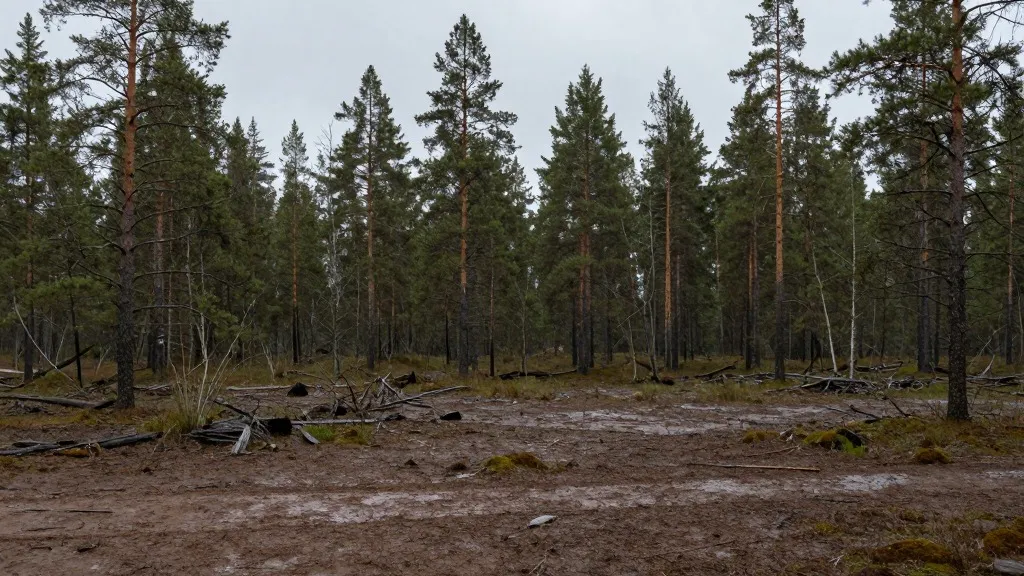
Residents in several Finnish villages are now reporting frequent sightings of wolves and other wild animals entering their communities, a shift attributed to the recent clearing of surrounding forests. For locals who have lived in these areas for generations, the arrival of these animals represents a new safety consideration as the natural habitat they previously occupied has been replaced by construction sites and muddy terrain.
The displacement of wildlife is a direct consequence of the expansion of artificial intelligence data centers in the region. Google’s Finland country manager has apologized for unauthorized clearings near Muhos, an area where 816 acres of forest have been transformed into an expanse of mud. Additionally, regulators have ordered the company to cease work on a separate section of land where roughly 500 acres of forest were cleared near the village of Otanmäki, located 55 miles southeast of the Muhos site.
The situation has moved beyond environmental debate to become a practical concern for daily life. Anni Ranta, a 53-year-old resident whose family has lived in Otanmäki for generations, explained that wolves are coming into the village because the wild animals have moved out of the forest. Ranta also expressed concern that the presence of U.S.-owned data centers could make Finland a more significant target for Russian aggression, adding a geopolitical layer to the local dispute.
Local reactions highlight a broader frustration with the pace of development. Residents have complained about construction noise, streams turning brown, and the displacement of rare bird species. While these issues are common in areas undergoing rapid industrial growth, the scale of the environmental impact here has drawn specific attention. The Finnish Association for Nature Conservation has described Google’s handling of environmental policies as unprecedented and clear in its deviation from standard procedures.
Regulatory bodies have taken action in response to these concerns. The Finnish Licensing and Supervision Authority, or LVV, issued an order requiring Google to stop its development activities near both Muhos and Otanmäki. This follows earlier notices given to the company regarding its construction sites in Muhos and Kajaani. The authority’s intervention underscores the tension between the rapid deployment of AI infrastructure and established local environmental protections.
In response to the regulatory orders, a Google spokesperson maintained a positive stance, stating that the company will fully comply with the LVV’s requests. The spokesperson added that the company looks forward to maintaining an active and open dialogue with authorities to strengthen its partnership with Finland and local organizations. The company appears to be relying on the anticipated business benefits of the data centers to maintain goodwill with both the government and regulators.
The current pause in construction provides a temporary respite for the local ecosystem, but the long-term impact on the displaced wildlife remains a point of discussion. As the muddy landscapes where forests once stood continue to dominate the landscape, the relationship between the new infrastructure and the surrounding natural environment will be closely watched by both residents and conservation groups.
Source: Tom's Hardware