Nvidia’s Microducks Surge Past 20,000 Preorders After Viral Keynote Demo
The adorable robotic ducks have captured the holiday market following a charming demonstration at GTC Berlin, with deliveries expected before Christmas.
By Anna Nowak ·
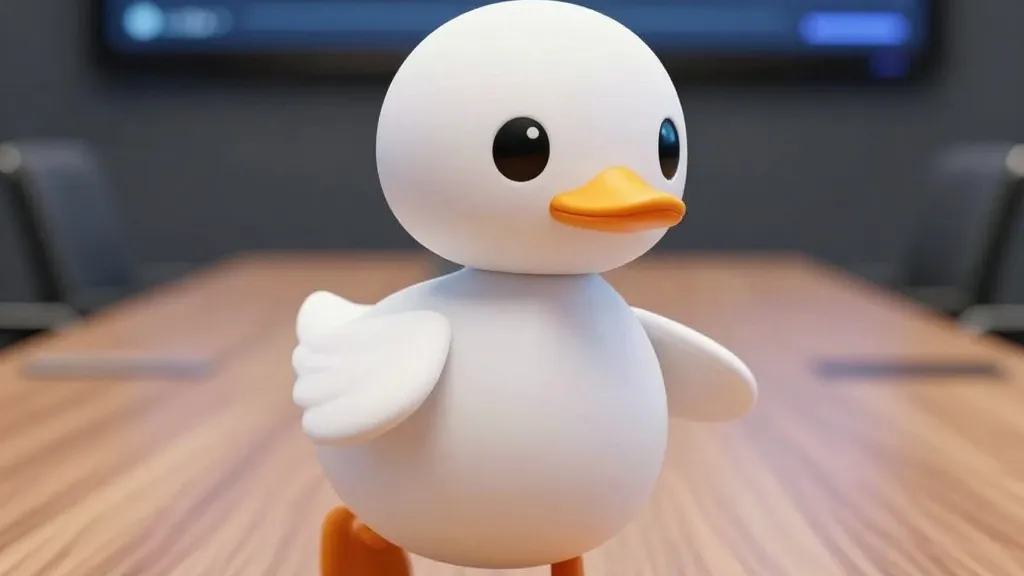
Preorders for the Microduck robot have officially crossed the 20,000-unit mark, a milestone announced by Hugging Face CEO Clem Delangue following a viral moment at Nvidia’s recent conference. The surge in demand was triggered by a lively demonstration during the GTC Berlin keynote, where Nvidia Chief Executive Jensen Huang was filmed interacting with a flock of the small, waddling devices. The footage quickly spread across social media, showcasing the robots’ ability to stomp their feet, emit high-pitched mechanical sounds reminiscent of classic sci-fi droids, and perform somersaults on voice commands. The clip captured the audience’s delight as the units sat, lay down for simulated naps, and bounced back to life with playful energy.
The rapid uptake suggests the Microducks are poised to become a standout product for the upcoming holiday season. Delangue indicated that the devices are expected to be delivered in time for Christmas, positioning them as a potential top seller among consumer robots. He further speculated that the Microducks could end up as the best-selling robot of the year, noting that their appeal may extend beyond the traditional children’s market. Promotional materials released alongside the news feature adults engaging with the toys, reinforcing the idea that these devices are designed for broad appeal across demographics rather than serving solely as kids’ gadgets.
The technology behind the Microducks is the result of a significant corporate consolidation in the AI sector. The robots are open-source devices originally produced by Pollen Robotics, a company that Hugging Face acquired in 2025. Following Nvidia’s acquisition of Hugging Face in September, the Microducks now fall under the umbrella of the GPU giant. This is not Hugging Face’s first foray into consumer robotics; the company previously released the Reachy Mini, another charming robotic device. The integration of Pollen Robotics into the Nvidia ecosystem highlights the company’s strategy to expand its hardware footprint beyond high-performance computing into the consumer space.
The operational capabilities of the Microducks are powered by Nvidia’s proprietary technology stack. The robots were trained using simulation environments where they learned fundamental behaviors such as walking, sitting, and standing. These core tricks are included in the standard shipment, allowing users to interact with the robots immediately upon unboxing. Pollen Robotics emphasizes the flexibility of the platform, stating that owners can program new behaviors and share their custom training data with the broader community. This open-source approach encourages a collaborative ecosystem where users can expand the functional library of their devices over time.
The launch of the Microducks arrives at a complex moment for the artificial intelligence industry. This week has been marked by heightened scrutiny and concern, with AI involvement cited as a factor in a series of high-profile cyberattacks. The industry has been grappling with the implications of these security incidents, creating a backdrop of tension and debate about the rapid deployment of AI technologies. Against this serious context, the release of the Microducks offers a distinct contrast, presenting a lighthearted and accessible entry point for consumers to engage with AI-driven hardware.
The viral nature of the keynote demonstration underscores the power of visual media in driving consumer interest. The footage of Huang playing with the robots served as a compelling showcase of the product’s personality and responsiveness. The combination of cuteness and technical capability appears to have resonated strongly with viewers, leading to the immediate spike in preorders. As the industry navigates the challenges of security and scalability, the Microducks represent a successful example of how AI can be packaged in a relatable and entertaining form.
With deliveries scheduled for the holiday period, the Microducks are set to enter millions of homes in the coming weeks. The open-source nature of the devices suggests that a robust community of developers and enthusiasts will likely emerge, further enhancing the product’s longevity and utility. The success of the initial preorders indicates strong market confidence in the collaboration between Nvidia, Hugging Face, and Pollen Robotics. As the first units arrive, the public will have the opportunity to test the robots’ capabilities firsthand, potentially solidifying their status as a defining toy of the 2026 holiday season.
Source: TechCrunch