NASA Overhauls Moon Landing Strategy to Secure 2028 Crewed Return
A revised architectural framework eliminates complex orbital maneuvers, allowing SpaceX and Blue Origin to proceed with simplified docking and launch sequences.
By Aever Bundji ·
For Americans watching the space program, the path to the Moon has just become significantly more straightforward. NASA officials confirmed on Friday that the agency is modifying its operational architecture to support a crewed lunar landing as early as 2028. This adjustment removes a previously difficult requirement for spacecraft to dock in a specific, energy-intensive orbit around the Moon, thereby reducing technical hurdles for the private companies building the landing vehicles.
The shift stems from a strategic pivot earlier this year when NASA cancelled the Lunar Gateway project. That decision directly addressed a major concern raised by SpaceX engineers in early 2026: the need to dock with the Orion capsule in a near-rectilinear halo orbit. This particular orbital path demanded excessive energy and presented logistical challenges. With the Gateway gone, the agency can now implement a simpler transit plan.
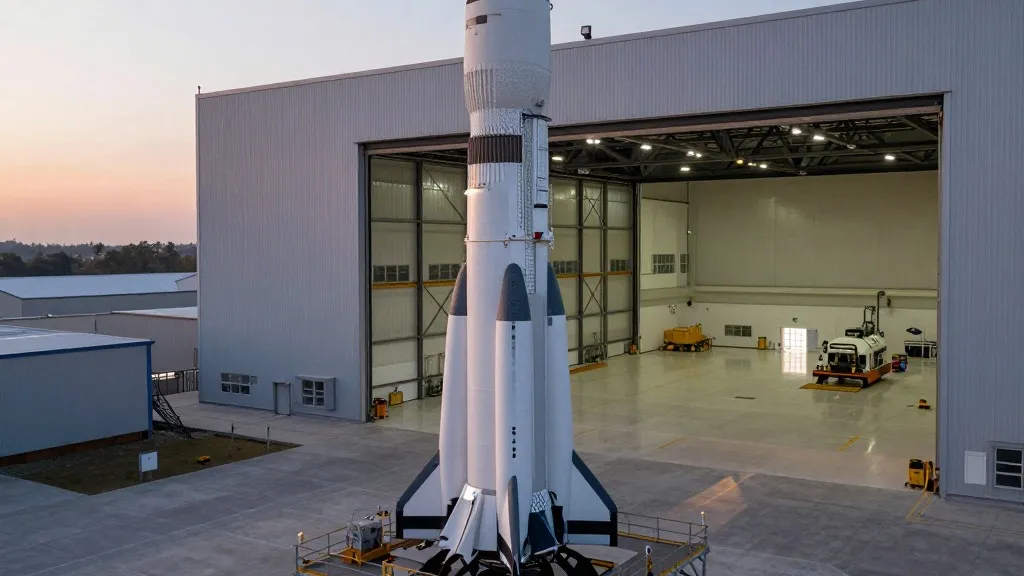
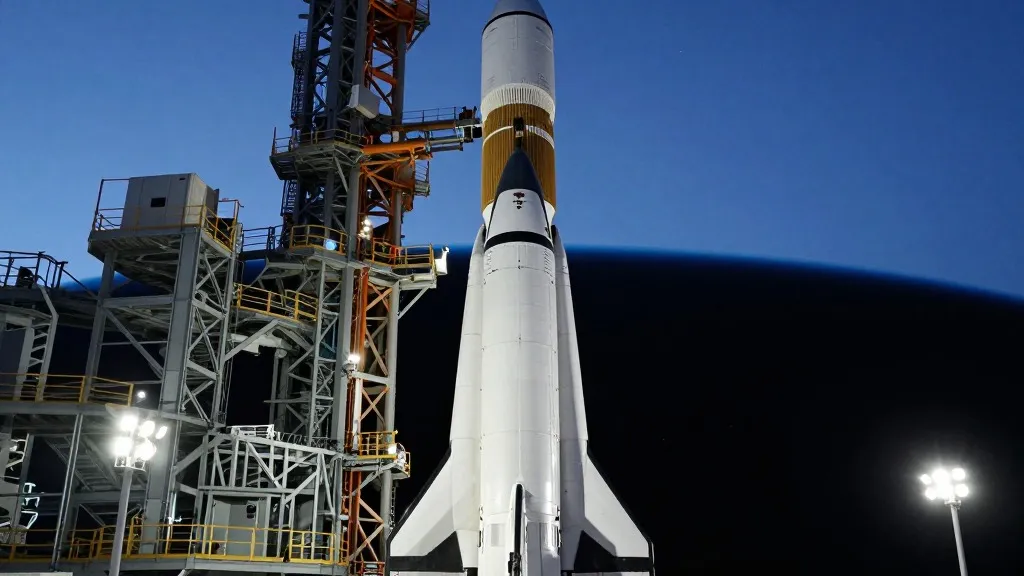
Under the updated blueprint for SpaceX, the Orion spacecraft will now dock with the Starship lunar lander in high-Earth orbit before the combined vehicles travel to the Moon. This change streamlines the mission profile for the largest rocket in history. Meanwhile, the architecture for Blue Origin’s involvement has been adjusted to include four launches of the New Glenn rocket. Notably, this plan avoids the need for spacecraft-to-spacecraft refueling in space, a complex maneuver that has been a point of contention in previous iterations. The Blue Origin strategy also allows for the possibility of their Blue Moon lander rendezvousing with Orion in low-Lunar orbit.
NASA leadership stated that the Artemis III mission, which serves as a demonstration of docking capabilities for both Starship and Blue Moon near Earth, remains on track for a launch in the summer of 2027. Following this test, the agency is still targeting a 2028 launch for Artemis IV, the mission that will finally place astronauts on the lunar surface. During the press conference, NASA Administrator Jared Isaacman emphasized the agency’s confidence in the new timeline. “This is an achievable path we are on right now,” Isaacman said. “We have the mandate, we have the resources, and the support from our stakeholders to be able to execute, and that’s what we intend to do.”
While the agency has not officially released these specific architectural changes in detail until now, much of the underlying information had been previously reported. However, Friday’s presentation marked the first time NASA formally acknowledged these substantial modifications. The leadership team indicated they have reviewed every element of the program to identify areas where changes could help the lunar lander partners accelerate their development schedules.
The immediate next step is the continued preparation for the Artemis III demonstration flight. Success in docking with both commercial landers in Earth orbit will be the critical gatekeeper for the 2028 surface landing. If the summer 2027 timeline holds, the agency will have validated the new, simplified approach before committing crews to the final lunar descent.
Source: Ars Technica